Smart car shoppers in Effingham IL rely on clear market research to find the right used vehicle at the right price. This local guide translates regional price trends, demand patterns, and ownership costs into simple steps you can use today. Learn how seasonal shifts in the Effingham area can influence pricing, which models hold value best, and how to compare vehicles by trim and mileage with confidence. We also explain how to factor in taxes and fees in Illinois, assess vehicle history reports, and inspect for issues common to Midwest cars. Whether you are comparing trucks for work, SUVs for family duty, or efficient commuter sedans, this page gives you a research framework tailored to Effingham and nearby counties. Explore real world tips to evaluate listings, estimate fair values, and plan timing. When you are ready, browse current options and study recent sales to verify your strategy.
Market research helps you verify a fair price, anticipate ownership costs, and spot the strongest values across Effingham IL. Use the guidance below to compare similar VINs, read vehicle history data correctly, and time your purchase around local supply cycles. You can also review real inventory and recent sales for practical benchmarks. For more educational resources, explore blog articles and nearby county research pages to broaden your comparisons before you decide.
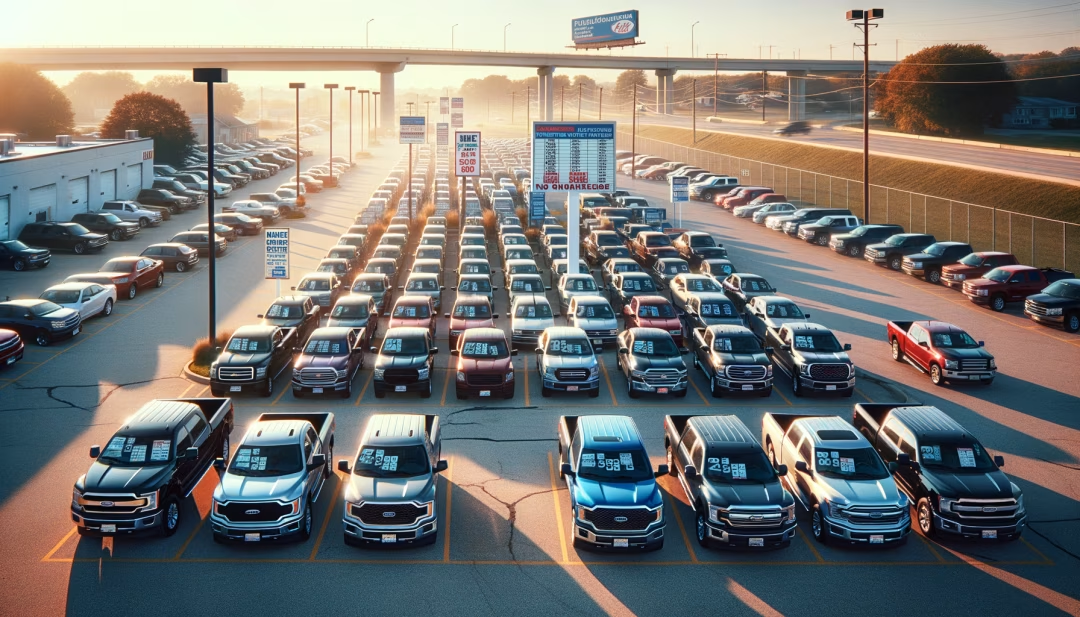
Effingham sits at the crossroads of I 57 and I 70, which shapes the local used car market in useful ways. Traffic through the corridor supports steady vehicle turnover, while nearby rural communities contribute durable truck and SUV inventory. To make the most of this environment, approach your search with a plan that blends local pricing checks, VIN level comparisons, and a clear view of long term costs.
Start with Effingham and expand 50 to 100 miles to include neighboring markets like Mattoon, Charleston, Decatur, and the broader Central Illinois region. The goal is to collect enough comparable vehicles to see true price bands by year, trim, mileage, and condition. Include private party and dealer listings plus sold data when available to confirm what buyers actually paid, not just what sellers asked.
Tax refund season can temporarily push prices up for affordable sedans, compact SUVs, and first time buyer cars. Late summer and early fall often see stronger demand for trucks and family SUVs as school schedules resume. Year end can bring motivated pricing on older model years. Monitor how quickly similar units are selling in the Effingham area each week to understand real time momentum.
While exact pricing depends on condition and options, Effingham trends generally reward low mileage trucks and well kept SUVs. Sedans and compact crossovers can deliver strong value at moderate mileage if maintenance is documented. When comparing prices, set a baseline adjustment per 10,000 miles and apply modest premiums for verified packages like advanced safety, tow packages, and all wheel drive when relevant to local weather needs.
Two listings can look equal but differ by thousands of dollars based on trim, packages, and service history. Decode the VIN to confirm engine, drivetrain, safety tech, and factory options. Examine packages that matter most in this region such as cold weather features, towing capability, and advanced driver assistance. Keep a simple grid of must have vs nice to have options and price each upgrade realistically based on your comps.
Review vehicle history reports carefully, focusing on title status, accident severity, airbag deployment, structural damage, open recalls, and service intervals. For Illinois and neighboring states, pay special attention to underbody condition. Road salt exposure can affect brake lines, subframes, and suspension components. Look for consistent maintenance at reasonable mileage gaps and evidence of timely fluid changes. If photos are available, inspect close ups of wheel wells, rocker panels, and undercarriage areas for rust indicators.
Budget beyond the purchase price. Include sales tax, title, and registration fees, plus baseline reconditioning such as tires, brakes, or fluids. Estimate insurance with your provider before you commit. Track fuel economy differences between trims and drivetrains - for example, four wheel drive may be practical in winter but could change fuel costs and maintenance schedules. If you plan to finance, compare APRs and terms across multiple lenders and review total paid over the life of the loan, not just the monthly figure.
Monitor inventory age and recent price drops. Vehicles that have been listed beyond the local average days on market may be aligned for a discount if the condition is strong. Model year transitions can also open room on prior year units. Keep an eye on weekdays when fewer shoppers are active. After significant weather events, supply may tighten briefly - use saved searches and alerts to move quickly on good matches.
Pickup trucks are consistently in demand for work and towing around Effingham County, with full size and mid size options both active. Two row and three row SUVs balance family needs and winter traction, while compact crossovers provide strong efficiency. Commuters often favor reliable sedans and hatchbacks with documented maintenance. If you prioritize long distance highway travel on I 57 or I 70, test cabin noise at 65 to 70 mph and evaluate driver assist features for lane keeping and adaptive cruise where available.
Zoom in on panel gaps, lens clarity for headlights, wheel rash, and seat bolsters. Look for consistent paint reflections that suggest factory finish. Note phrases like as is vs inspected or serviced. Confirm whether the price includes dealer installed accessories or protection packages. When available, compare current photos to prior sale images tied to the same VIN to verify mileage progression and presentation consistency.
Design a route that includes slower neighborhood streets, a rougher surface to test suspension noise, and a highway stretch for alignment, vibration, and power. Listen for cold start ticks, feel for transmission shift quality at low throttle and during firm acceleration, and check HVAC performance at multiple fan speeds. Brake from highway speed with hands light on the wheel to detect any pull or pulsation. Verify that all driver assist systems engage without warnings.
Clean your vehicle thoroughly and photograph it in daylight from multiple angles. Gather service records and note recent maintenance like tires or brakes. Obtain multiple value estimates and compare to recent local sales of similar mileage units. Minor professional reconditioning can lift your trade value and make private party sales faster if you choose that route. Be transparent about known issues to maintain credibility and keep negotiations smooth.
For most Effingham buyers, emissions testing is not required locally, but always verify title status, lien releases, and odometer disclosures. Confirm that the VIN on the title matches the vehicle plate and dash. Review buyer guide disclosures and any warranty or service contract terms in writing. Keep copies of all signed documents. If you plan to transfer plates, confirm eligibility and applicable fees before finalizing the sale.
Use live and historical data to confirm your research. Comparing active listings with recently sold vehicles provides the best signal on fair pricing. Browse inventory, then review what similar cars recently sold for to validate your target range.
Deepen your knowledge with buyer guides and neighboring county pages. Studying nearby markets expands your comp set and helps you spot outliers more quickly.
This page is designed to help Effingham shoppers make informed decisions with transparent research steps. For more on our approach, policies, and how we handle visitor data, review these pages. You can also reach out with specific questions about listed vehicles or documentation requirements.
Use these internal resources to extend your research and compare financing paths if needed.